



700 temper mill
The temper mill process is a critical step in the production of high-quality construction steel, ensuring optimal surface finish, mechanical properties, and dimensional accuracy. This process involves light cold rolling of steel sheets or strips to enhance their surface characteristics, improve flatness, and achieve precise thickness tolerances. The high precise temper mill plays a pivotal role in refining the steel's microstructure, eliminating yield point elongation, and enhancing formability. Construction steel requires superior surface quality to meet stringent industry standards, particularly for applications in structural components, automotive parts, and building frameworks. A high-quality temper rolling mill ensures uniform surface texture, minimizes defects, and enhances the steel's strength without compromising ductility. The Role of the Temper Mill in Surface Refinement The primary objective of the temper mill process is to impart a smooth, defect-free surface while improving mechanical properties. Unlike heavy cold rolling, temper rolling involves minimal reduction (typically 0.5% to 5%) to avoid excessive work hardening. A high precise temper mill achieves this by applying controlled pressure, ensuring uniform deformation across the steel strip. One of the key challenges in construction steel production is the presence of Luders bands, which cause uneven deformation during forming. The temper pass mill effectively eliminates these bands by introducing slight plastic deformation, thereby enhancing the steel's uniformity. Additionally, the soft rolling mill technique is employed for low-carbon steels, where excessive hardening must be avoided to maintain formability. Key Parameters in the High-Quality Temper Rolling Mill Operation To achieve optimal results in the temper mill process , several parameters must be carefully controlled: Rolling Force and Tension – Precise control of rolling force ensures consistent surface texture, while proper tension prevents strip buckling or elongation. Roll Surface Finish – The rolls in a high precise temper mill must maintain a fine surface finish to avoid imprinting defects onto the steel. Reduction Rate – A minimal yet uniform reduction is critical to avoid over-hardening while still improving surface quality. Lubrication and Cooling – Effective lubrication reduces friction, preventing surface scratches, while controlled cooling maintains microstructure stability. A high-quality temper rolling mill integrates advanced automation systems to monitor these parameters in real-time, ensuring repeatable and defect-free production. Advancements in Temper Pass Mill Technology Modern temper pass mill designs incorporate innovative features to enhance efficiency and precision. Some notable advancements include: Closed-Loop Control Systems – These systems adjust rolling parameters dynamically based on real-time feedback, ensuring consistent output. Laser-Based Thickness Monitoring – Non-contact sensors measure strip thickness with micron-level accuracy, enabling immediate corrections. Adaptive Roll Grinding – Rolls are periodically reground using CNC systems to maintain optimal surface finish. Additionally, the integration of soft rolling mill techniques allows manufacturers to process high-ductility steels without compromising their mechanical properties. Surface Quality and Defect Prevention in the Temper Mill Process The surface quality of construction steel is crucial for corrosion resistance, paint adhesion, and weldability. A high precise temper mill minimizes common defects such as: Roll Marks – Caused by uneven roll wear or improper lubrication. Scratches and Scuffs – Resulting from improper handling or abrasive contaminants. Edge Cracks – Due to excessive tension or uneven deformation. By optimizing rolling speed, tension, and lubrication, a high-quality temper rolling mill ensures a defect-free surface, meeting the stringent requirements of construction applications. The Future of Temper Mill Technology in Construction Steel Production The temper mill process remains indispensable in the production of high-performance construction steel. With advancements in high precise temper mill and temper pass mill technology, manufacturers can achieve superior surface quality, enhanced mechanical properties, and improved dimensional accuracy. The adoption of soft rolling mill techniques further expands the range of processable materials, ensuring flexibility in production. As automation and real-time monitoring systems continue to evolve, the efficiency and precision of the high-quality temper rolling mill will further improve, setting new benchmarks in construction steel manufacturing. Future research should focus on energy-efficient rolling methods and AI-driven process optimization to enhance sustainability and productivity. By leveraging these innovations, the steel industry can meet the growing demand for high-strength, lightweight, and corrosion-resistant construction materials, reinforcing the critical role of the temper mill in modern metallurgy.

We have successfully executed over 500
projects around the world,
many first-of-their-kind
research projects and products in China, including
We have successfully executed over 500
projects around the world,
many first-of-their-kind
research projects and products in China, including
-
2004
The 1st hydraulic AGC system for hot rolling of ribbon steel
-
2006
The 1st AFC system used for 1450mm skin pass mill
-
2009
The 1st 5-stand tandem line with 2-stand POR & Uncoiler for 650mm ribbon steel
-
2012
The 1st reversing mill for 1380mm strip
-
2016
The 1st soft-rolling system used in skin pass mill
-
2019
The 1st fully automated medium-width tandem cold rolling mill
-
2021
The 1st 5000KN Twin-stand double skin pass mill
-
2022
The 1st coupled pickling line & tandem cold mill with two modes - big roller & small roller
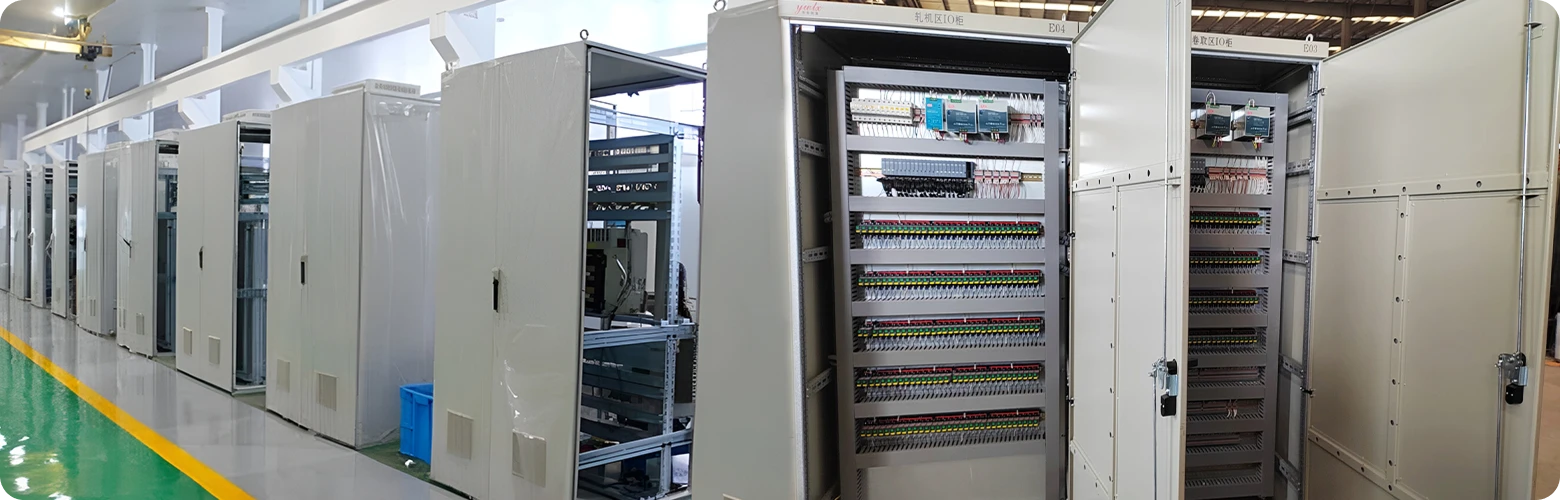
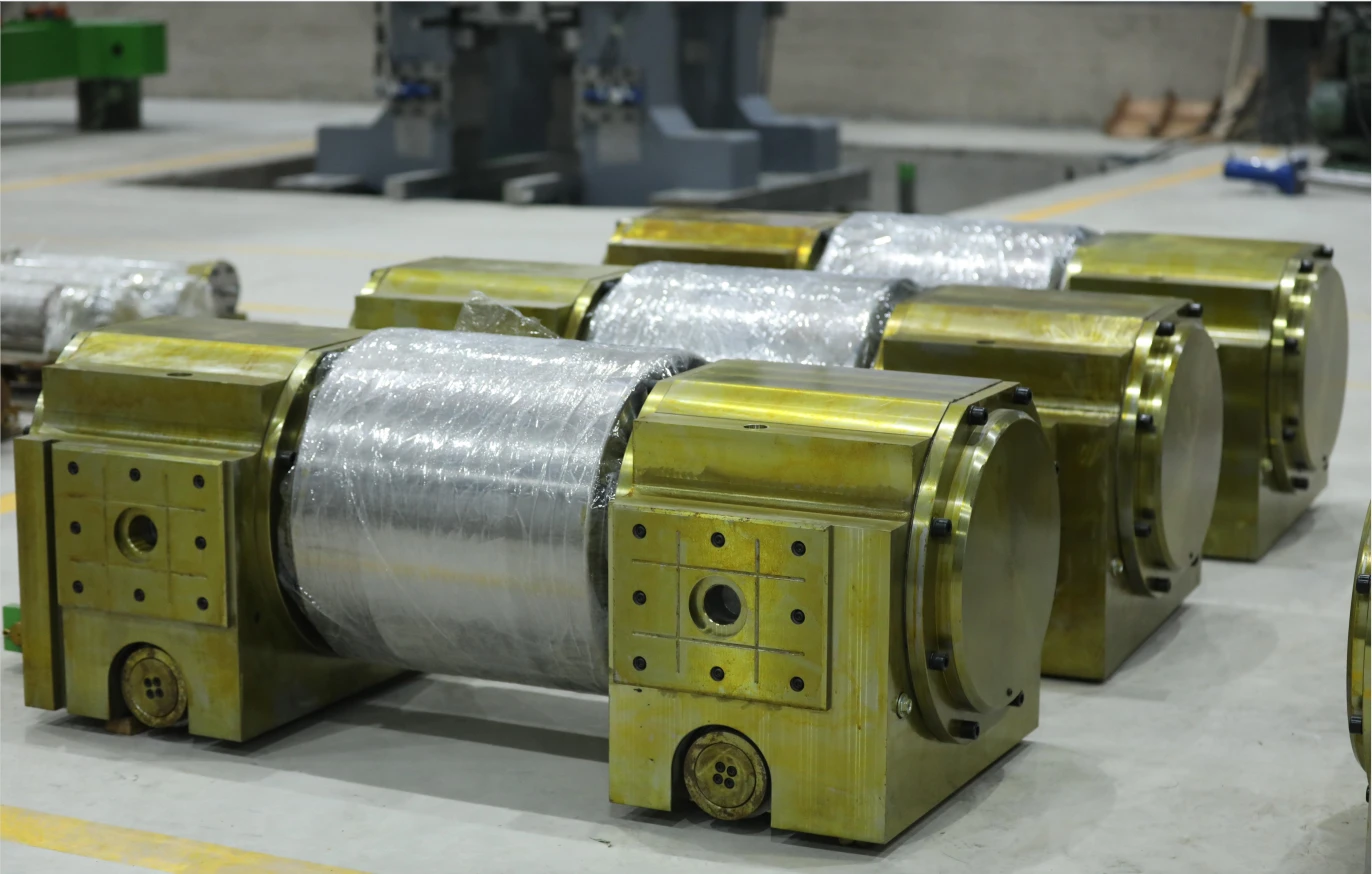


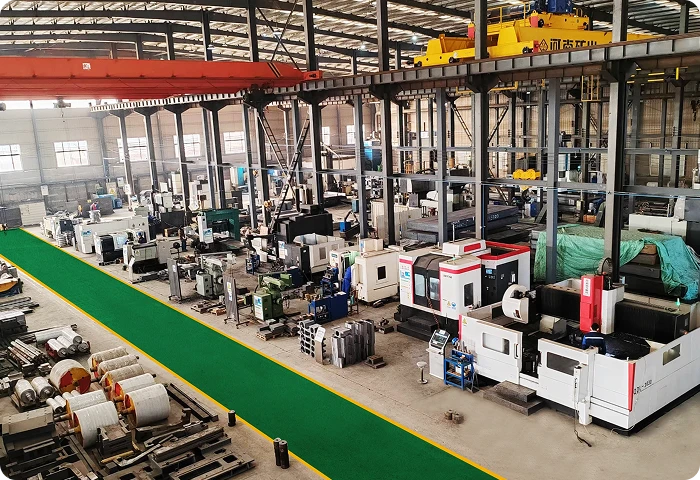
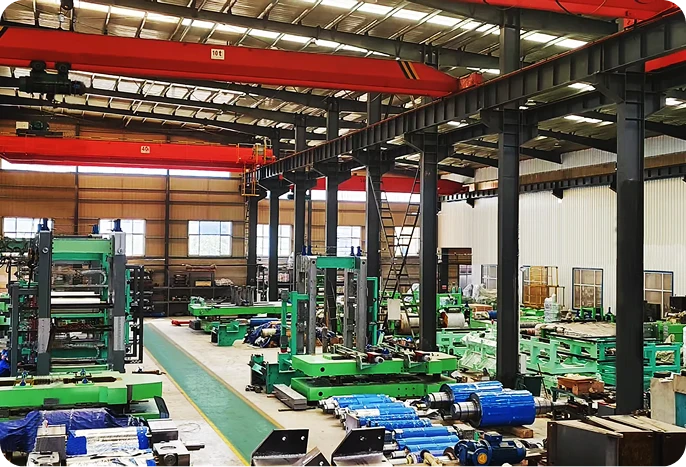
Yang Wang Li Xin operates a state-of-the-art facility over 66,000 square meters,and our manufacturing facility is fully equipped with high-tech machinery and high-capacity cranes. This enables us to handle large work pieces measuring 4.5m in width, 10m in length, and 1.5m in height, guaranteeing our capacity to produce 1800mm skin-pass mills and 1450mm rolling mills. The individual piece can weigh up to 100 tons.


Quality is fundamental to the enterprise survival. We have established a comprehensive and meticulous quality management system and have successfully obtained ISO14000 certification. Starting from the design source, it supervises the entire production cycle, including design, procurement, processing, assembly, in-factory testing, installation, and online commissioning. The workshop is equipped with measuring tools like vernier calipers, spectrometers, hardness testers, and ultrasonic flaw detectors. They are used to check materials and control tolerances to ensure the final equipment meets or exceeds requirements. All products have a unique code, This enables the easy identification and traceability of the equipment components and ensures full control of quality.


-
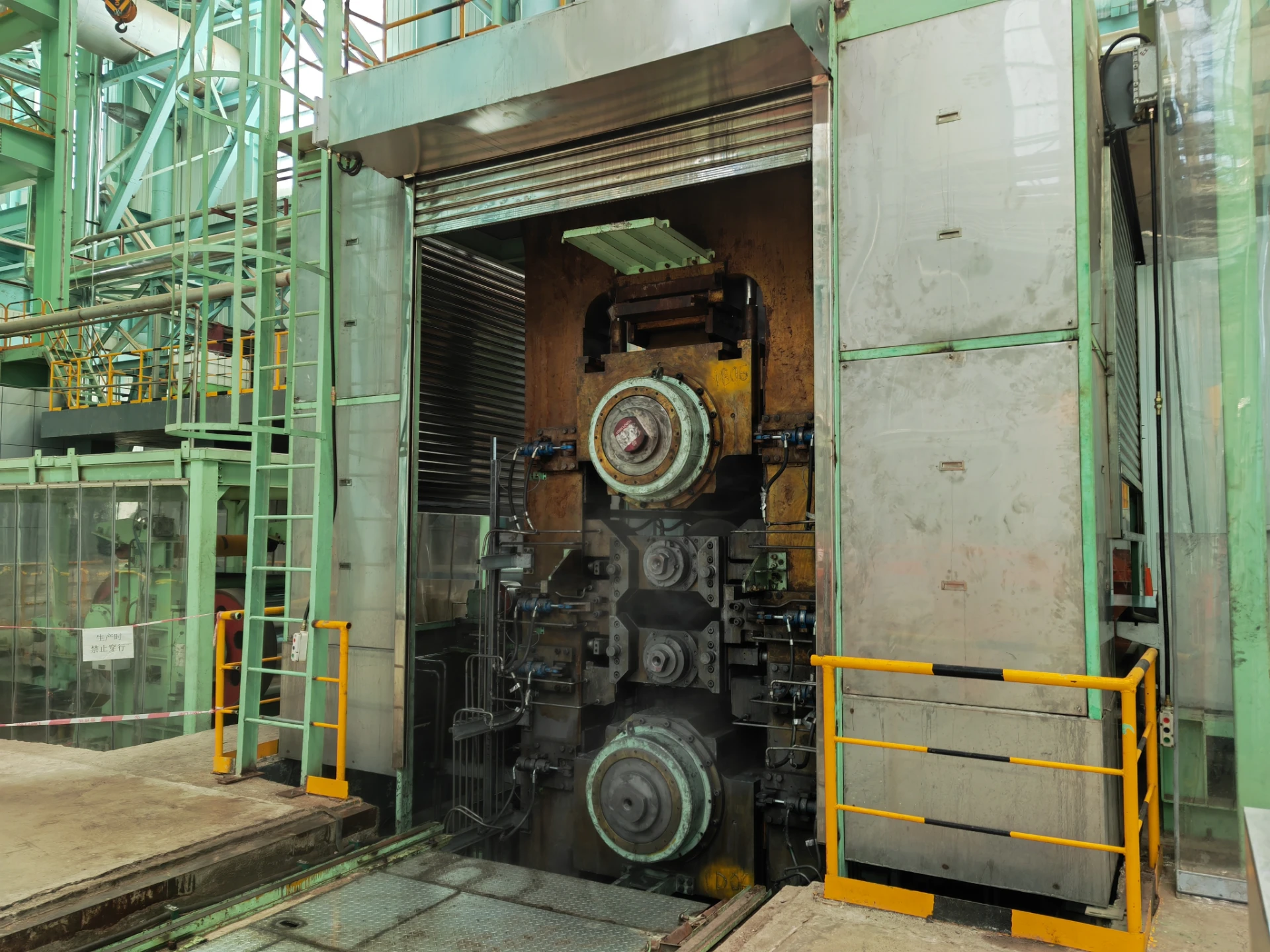 Advanced Water Quenching Process for Optimal Material HardeningThe Crucial Role of Advanced Quenching in Material Engineering In the demanding world of industrial metallurgy and materials science, the controlled modification of material properties is paramount for achieving optimal performance and longevity. Among the various heat treatment methodologies, the water quenching process stands as a cornerstone technique, essential for enhancing the hardness, stre
 -
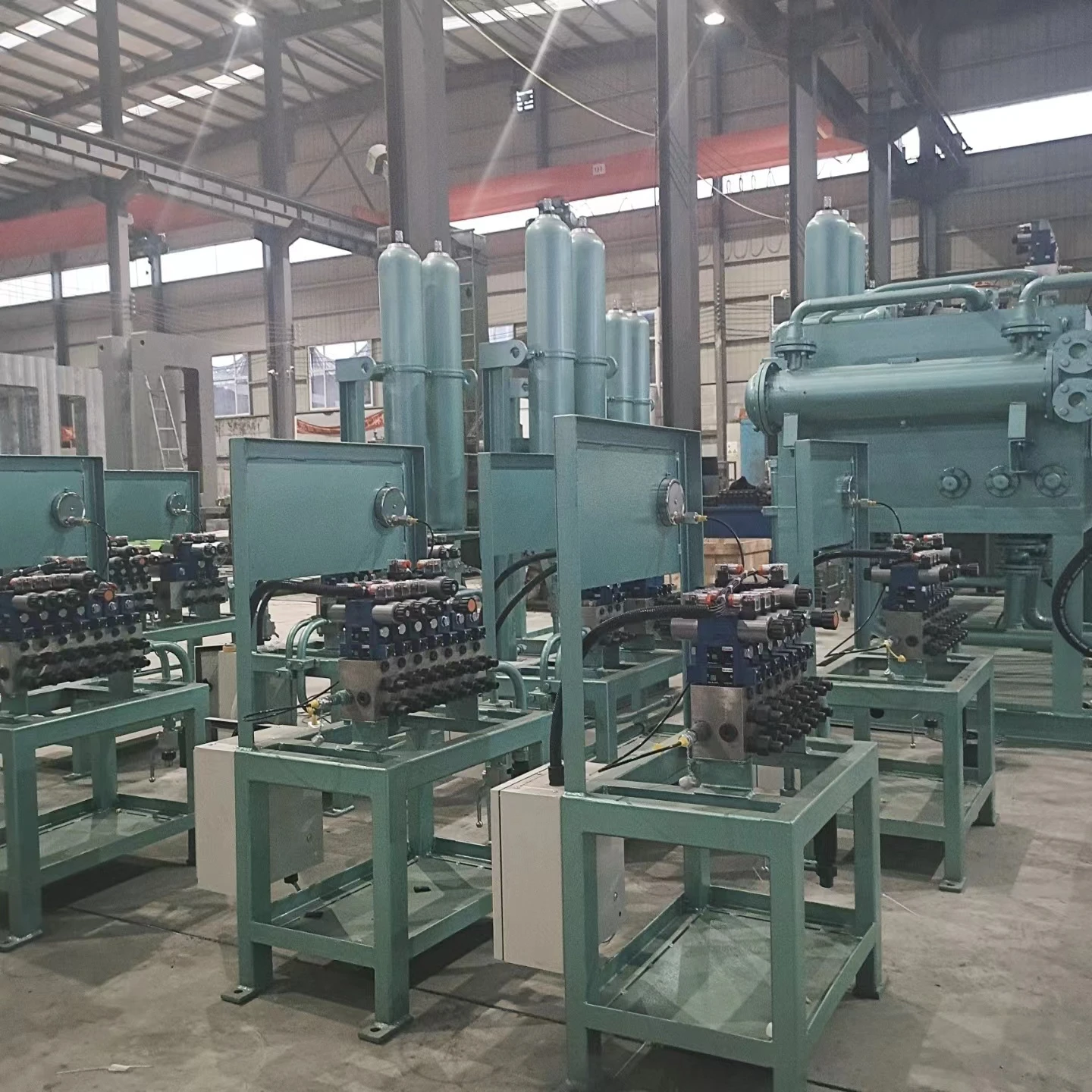 Application of Temper Mill in Annealing LineThe temper mill is a vital component in the annealing line, playing a key role in enhancing the mechanical properties and surface quality of steel strips. This article explores the application of the temper mill in the annealing line, focusing on the temper mill process , its operation, and its benefits for temper mill steel . Role of the Temper Mill in Annealing Line The temper mill is typically
 -
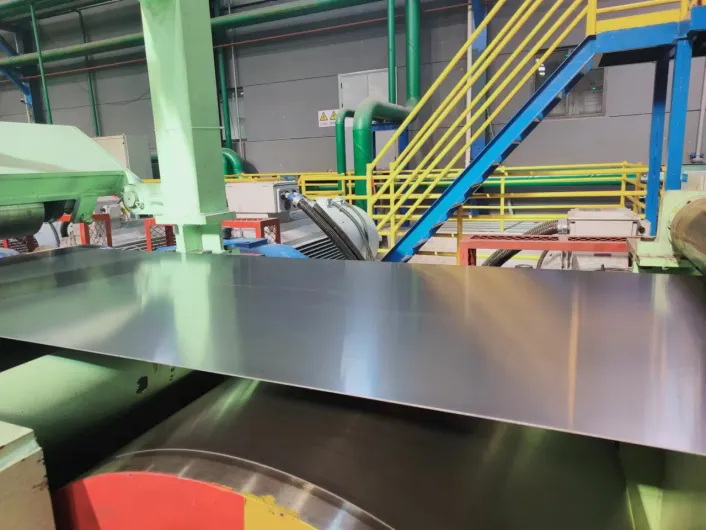 Listoprokotny statoIl laminatoio rappresenta un pilastro essenziale nella produzione moderna di metalli, una macchina avvolta in un'aura di potenza e precisione, la cui importanza non può essere sottovalutata. La tecnologia dietro questo strumento non è solo affascinante ma si erige anche come un testamento delle capacità ingegneristiche avanzate. Esploriamo il mondo del laminatoio, illuminando i suoi dettagli intri


